
Wisconsin Judge Hands Tribes First Federal Win Against Kalshi
A May 11 ruling lets the Ho-Chunk Nation's IGRA case advance and warns the prediction-market giant is likely to lose at trial — a decision that could redraw the map for sports event contracts nationwide.
Category: iGaming News - Global · By Growl Games Editorial Team · Mon May 18 2026 · Updated Thu Jul 23 2026
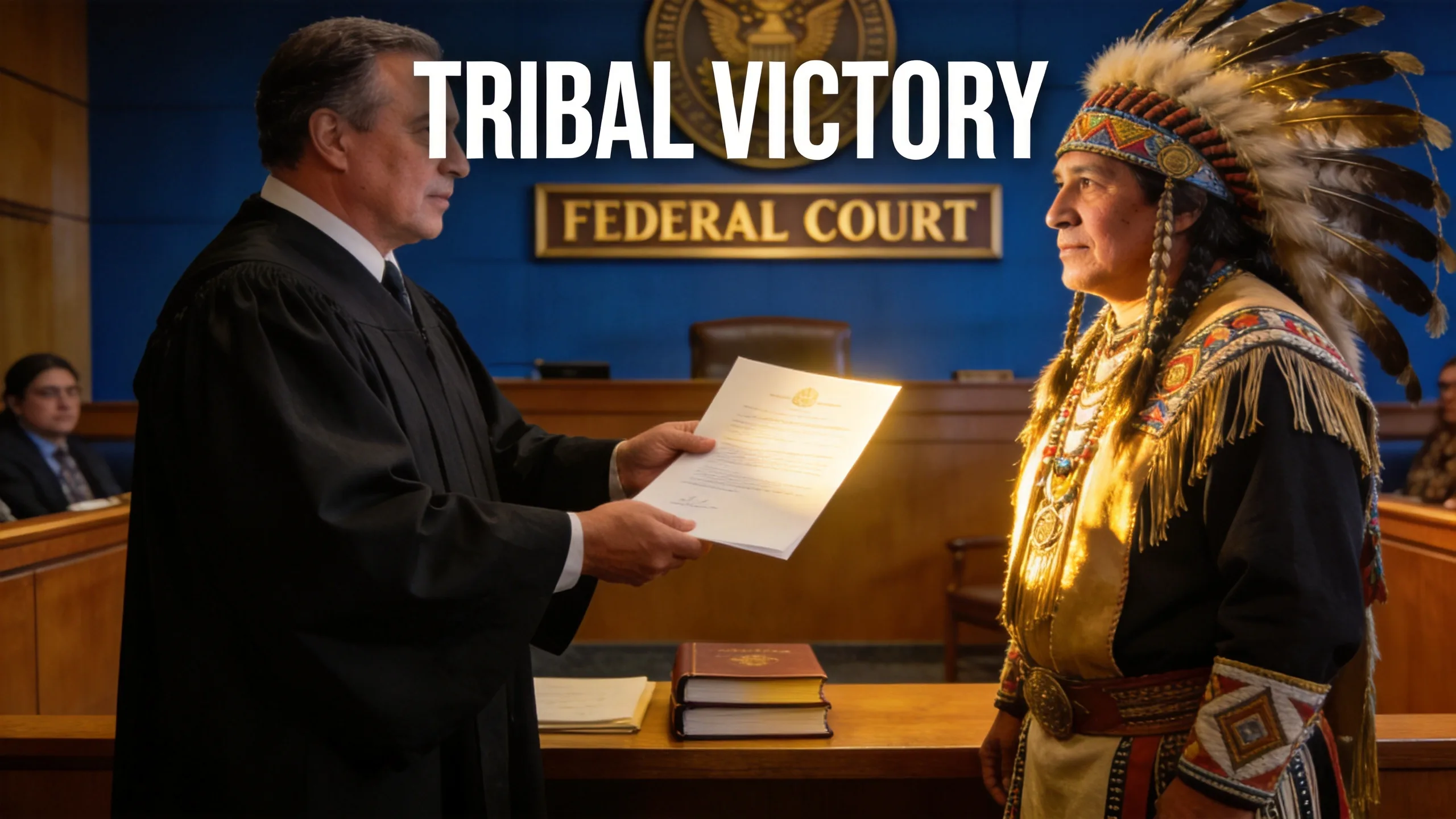
Table of Contents
The Ruling
On May 11, 2026, U.S. District Judge William M. Conley of the Western District of Wisconsin ruled that the Ho-Chunk Nation can proceed with its lawsuit against Kalshi, KalshiEX, Robinhood Markets, and Robinhood Derivatives. More notably, Conley wrote that the tribe has shown a “likelihood of success on the merits” of its core claim under the Indian Gaming Regulatory Act (IGRA).
It is the first federal ruling to side with a tribal plaintiff in any of the prediction-market disputes currently active across the country. Conley denied the Ho-Chunk Nation's request for a preliminary injunction, citing a lack of demonstrated immediate financial harm, and dismissed separate RICO and Lanham Act false-advertising claims. The IGRA claim — the heart of the case — survives. Trial is scheduled for May 24, 2027.
The Legal Battle: IGRA vs. CFTC
The Ho-Chunk Nation sued in August 2025, arguing Kalshi's sports event contracts are Class III gaming under IGRA and violate the tribe's exclusive compact with the State of Wisconsin. Kalshi has consistently countered that it is a Commodity Futures Trading Commission (CFTC)-regulated designated contract market, and that federal commodities law — including a Unlawful Internet Gambling Enforcement Act (UIGEA) carve-out — preempts tribal gaming rules.
Conley rejected the central pillars of that defense. He ruled that tribes do have standing to sue third parties under IGRA, that UIGEA is a payment-processing statute and does not affirmatively legalize anything, and — critically — that for online gambling, “gaming activity” occurs where the bettor is physically located, not where servers sit. Kalshi's offices are in New York and its servers in Ohio, but its app is accessible on Ho-Chunk land. Conley also cited a recent Arizona federal opinion describing Kalshi's products as “sports wagers and everyone who sees them knows it.”
The Wisconsin decision diverges sharply from a November 2025 ruling out of the Northern District of California, where Judge Jacqueline Scott Corley denied three tribes a temporary restraining order on similar facts. That case is now on appeal to the Ninth Circuit.
Why It Matters for the Industry
Sports event contracts are roughly 90% of Kalshi's revenue, generating over $1 billion annually according to court filings. A precedent that IGRA compacts govern what can be offered to users on tribal lands — even for CFTC-regulated instruments — would force prediction markets to either negotiate directly with each affected tribe or geofence Indian lands across more than 25 states.
Sixteen tribes filed amicus briefs backing the Ho-Chunk position before the ruling. A day after Conley's order, the Mescalero Apache Tribe and three New Mexico pueblos filed a parallel IGRA suit against Kalshi in federal court. The American Gaming Association's latest outlook survey, released the same week, found 81% of gaming executives now view prediction markets as a “very significant” threat to the regulated industry.
The ruling lands amid a wider front in the war. Wisconsin Attorney General Josh Kaul filed state lawsuits on April 23 against Kalshi, Robinhood, Polymarket, Crypto.com, and Coinbase. The CFTC has countersued Wisconsin and four other states (Arizona, Illinois, Connecticut, New York) to defend its exclusive jurisdiction over derivatives.
What Comes Next
Kalshi can appeal to the Seventh Circuit but has not yet publicly announced its next move. The Ninth Circuit's eventual decision in the California tribes' appeal will create a potential circuit split that could push the underlying jurisdictional question — whether IGRA or the Commodity Exchange Act controls on tribal lands — toward the Supreme Court. The Ho-Chunk trial date is firmly on the calendar: May 24, 2027.
For operators, affiliates, and bettors, the practical takeaway is short: legal certainty for sports event contracts has not arrived, and the path to it now runs through Madison.
Sources
- Bloomberg — Kalshi Judge Predicts Tribe Will Win Block on Sports Wagers
- Gambling Insider — Wisconsin Judge Allows Tribal IGRA Claims Against Kalshi to Proceed
- Bookies.com — Wisconsin Tribal Lawsuit Against Kalshi Could Spell Trouble For Prediction Markets
- Covers — Judge Allows Ho-Chunk Lawsuit Against Kalshi to Proceed in Wisconsin
- ReadWrite — Wisconsin Ruling Keeps Kalshi Ho-Chunk Tribal Betting Case Alive
- Bitcoin.com News — Wisconsin Federal Judge Hands Tribes First IGRA Win Against Kalshi Sports Bets
- Tribal Business News — Federal Judge Allows Ho-Chunk Lawsuit Against Kalshi Sports Markets to Proceed
- Bettors Insider — Ho-Chunk Nation IGRA Case Against Kalshi Survives Federal Court
- Wausau Pilot & Review — Ho-Chunk Lawsuit Against Kalshi, Online Gambling Can Move Forward
- Grafa — Wisconsin Judge Backs Tribe Against Kalshi
- GNcrypto — Judge: Ho-Chunk Likely to Block Kalshi Sports Contracts
- Straight to the Point — IGRA, UIGEA, and Where a Bet Takes Place
- LegalSportsBetting — Wisconsin Court Rules In Favor of Tribes Against Kalshi